Carving Warmth Into the Mountains
Step inside a world where mountain rooms are shaped by hand, one translucent shaving at a time. We’re exploring traditional Alpine woodworking for cabin interiors—hand tools, time-tested joinery, and responsibly harvested local timber—so you can feel how craft, landscape, and everyday living meet to build spaces that last, breathe, and glow in winter light.
Roots in Snow and Spruce
High passes kept ideas humble and precise: cabins were insulated with skill rather than surplus. Villagers learned to read snowpack, moon cycles, and sap levels before felling. Furniture, paneling, and rafters carried family marks, traveling from pasture huts to communal Stuben, gathering smoke, stories, and the soft sheen of beeswax over generations.
From Herdsmen’s Huts to Hearth-Centered Homes
Picture a herder returning at dusk, hanging a lantern near rough-sawn boards that will later be planed smooth. Those early huts taught economy: every shelf fit a purpose, every joint resisted storms, and every offcut warmed soup while children traced carved stars along the beams.
Guild Wisdom Carried in Calloused Hands
Skills moved by word, eye, and rhythm. Apprentices learned to gauge square by sunrise shadows, to plane with the grain by listening, and to sink a peg by feel alone. Old masters corrected posture more than measurements, insisting patience and breath would make truer lines than hurried math.
Hand Tools that Shape Quiet
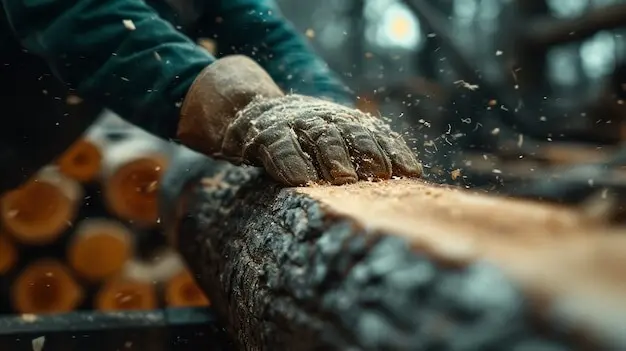
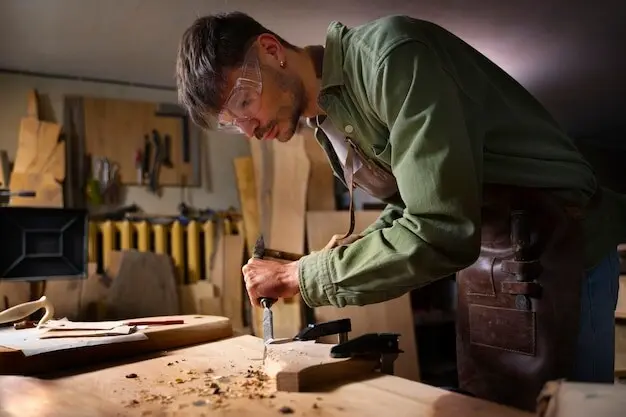
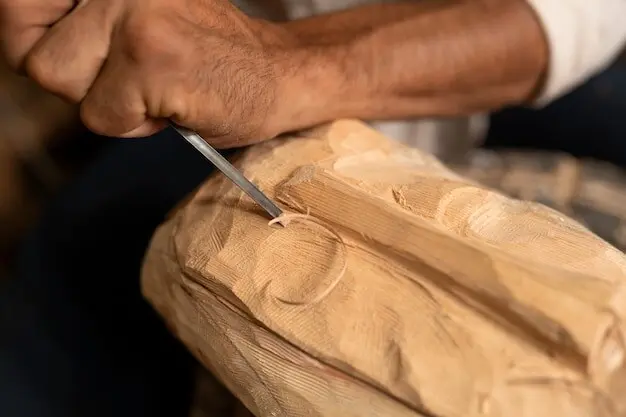
Silence is part of the method. Hand tools let work continue before dawn without waking neighbors, shape curves impossible for machines, and leave surfaces that reflect light like water. Axes, adzes, saws, planes, chisels, and augers each carry a mountain’s patience when sharpened, guided, and stored with respect.
Joinery that Breathes with the Seasons
Mountains move wood. Dry winters shrink panels; wet springs swell rails. The answer is joinery that locks when needed and slides when wise. Dovetails, drawbored mortise-and-tenons, and scarf joints carry weight without metal, relying on geometry, wedges, and wooden pegs that tighten long after clamps come off.
Corner Strength without a Single Screw
Robust corners come from clean baselines and steady tails. Through dovetails brighten edges under lamplight and resist racking when doors slam after a gust. Layout with a marking knife, saw just on the waste, and pare until the joint slides with firm, even pressure, singing slightly.
Hidden Locks and Wedges
Blind seats, tusk tenons, and fox-wedged tricks let frames hold tight invisibly. Wedges respond to seasonal drift, renewing pressure as fibers settle. A dry pin through an offset hole draws shoulders closed without glue, leaving repairs simple and parts replaceable when decades of lively use finally demand attention.
Testing Fit by Sound and Season
Cold rooms and warm hands change measurements. Fit joints slightly firm in the workshop, then carry pieces to the porch and check again. If a mallet’s note rises too sharply, pause, breathe on the cheeks of a tenon, and plane the subtlest whisper.
Local Timber, Local Soul
Reading grain is like tracing contour lines. Straight grain yields easy planing and predictable movement; spiral or compression zones ask for respect. For tabletops, choose quartersawn spruce for quiet stability; for door frames, fir or larch resists wear; for headboards, stone pine cradles sleep with gentle aroma.
Winter felling, practiced for centuries, means sap rests and fibers dry evenly. Logs stacked under moving air season without casehardening. Mark ends with dates and elevation, and you’ll remember which boards came from which slope when a panel’s shimmer echoes a favorite dawn ascent.
Nothing is wasted. Slabs become benches; thin rippings turn into drawer slips; knots inspire pegs or hooks. Shavings start fires that heat glue pots and neighbors’ tea. Using what the hillside offers keeps budgets sensible and lets craftsmanship honor both forest and family.
Surfaces, Finishes, and Light
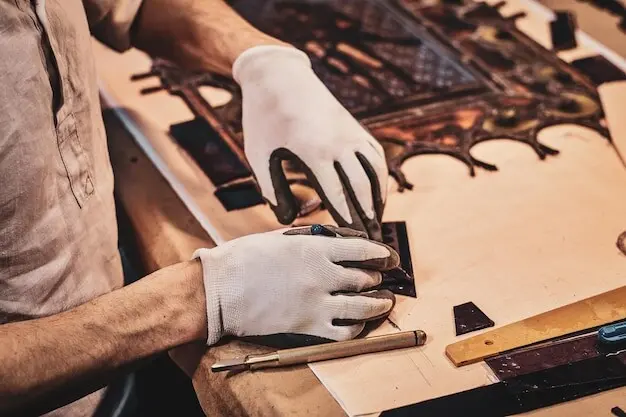
Sun, smoke, and patience create finishes that glow rather than glare. Hand-planed surfaces compress fibers, reflecting light softly. Natural oils, waxes, and casein paints stay breathable, letting panels move without blisters. Interiors feel lived with, not laminated, and every year adds a new veil of warmth.
Start Small: Build a Three-Legged Alpine Stool
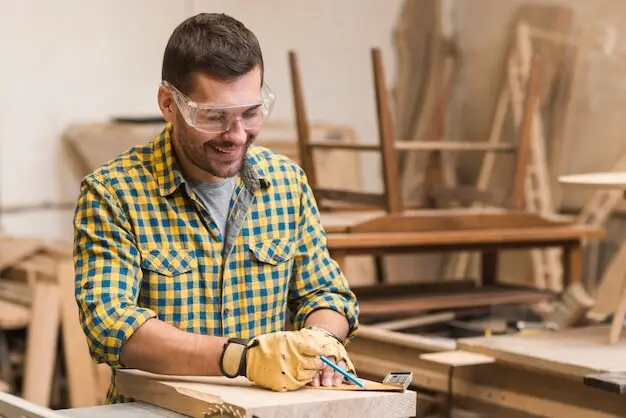
Nothing teaches faster than a stool. This compact project distills angles, boring accuracy, mortise-and-tenon basics, and finishing into a weekend of steady pleasure. Share your results, ask questions, and trade photos; our readers love encouraging first builds and swapping fixes for tear-out, splay math, and stubborn wedges.

All Rights Reserved.