
Blind Deboss as Footprints in Fresh Snow
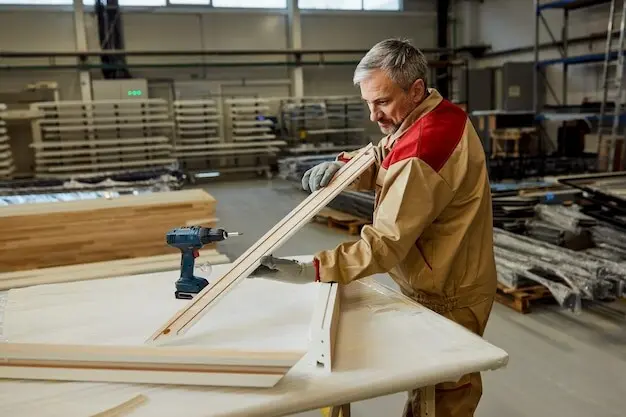
Without ink, pressure sculpts meaning. A trail name sinks subtly into the sheet, catching light like a cornice. Printers tighten packing, pull tests, and step aside to tilt the paper through afternoon glare. When the impression feels like a careful step on crust, they stop. The effect is modest yet unforgettable, a confidence born from restraint that makes readers lean closer and trust the path suggested by silence.
Ornaments, Borders, and Ski Trail Glyphs
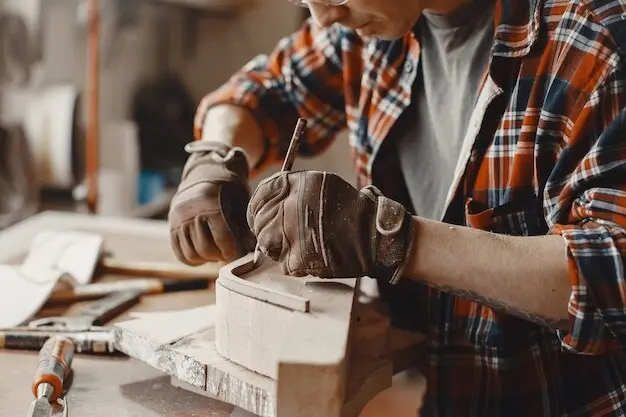
Small pieces carry spirit. A modest border becomes a safety rope along the margin. Snow crystals pulled from vintage ornaments shimmer beside station names. Custom glyphs mark chairlifts, ski schools, and avalanche beacons, hinting at local habits without shouting. Printers proof these elements as carefully as headlines, ensuring they guide rather than crowd. When assembled, the page reads like a well-marked slope, graceful, legible, and quietly confident.
Balancing Touch with Readability
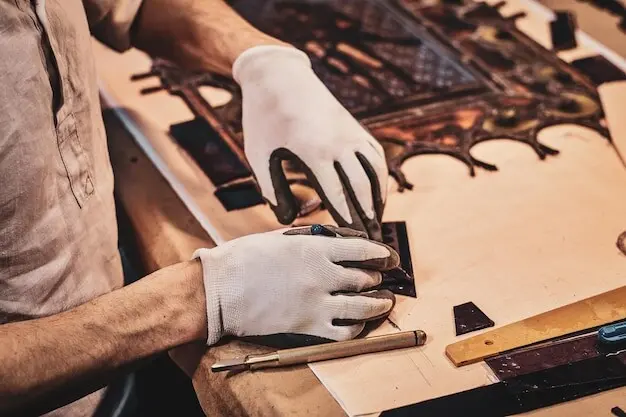
Too deep an impression can choke counters and bruise paper fibers, especially in tiny sizes needed for legends. Printers adjust to a golden middle: firm enough for fingers, open enough for eyes. They test under different gloves, lights, and distances, inviting hikers and bakers to read aloud. Feedback trims exuberance into clarity. The result respects both romance and responsibility, because beautiful information must still arrive, even during flurries.